6/27 IELTS 雅思口說真題回顧
一題一解析(Question + Analysis)
Speaking|High-rise Buildings & Architecture
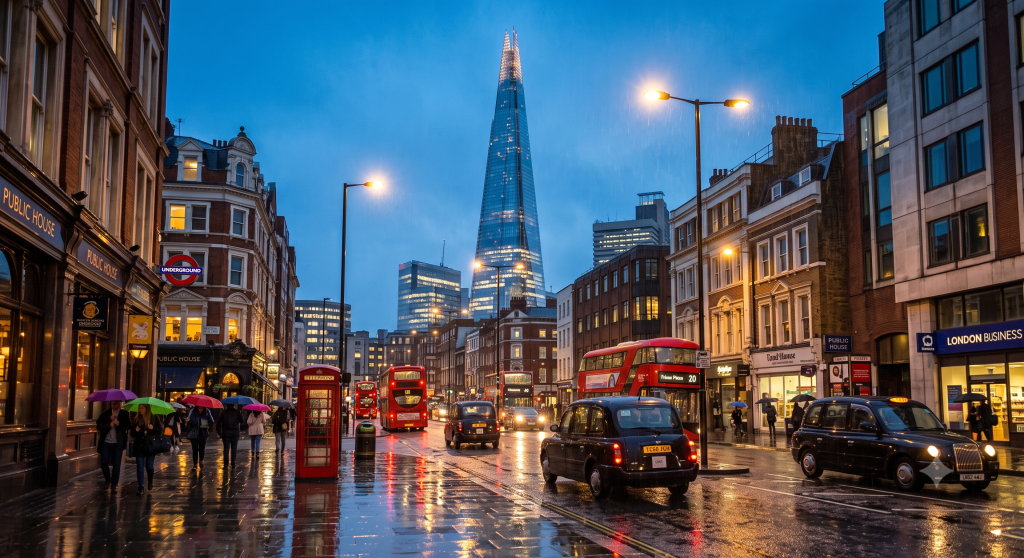
Q1. Do many people in your city live in high-rise buildings?
Yes, many people in my city live in high-rise apartment buildings, especially because land is limited and housing demand is high. For many urban residents, high-rise buildings are a practical solution because they allow more people to live in a relatively small area. They are also often located near public transport, schools, supermarkets, and workplaces. So, for people who care about convenience, living in a high-rise building can be very attractive.
解析
這題問的是「城市居住型態」。回答時可以先說 yes,因為大城市土地有限、人口密集,所以高樓很常見。接著補充高樓通常靠近捷運、學校、商店、公司,因此很方便。這題的核心邏輯是:人口多 + 土地少 = 高樓住宅普遍。
Q2. Are high-rise buildings mainly found in large cities?
Yes, high-rise buildings are usually more common in large cities because urban land is much more expensive there. When a city has a large population but limited space, building upward becomes more efficient than spreading outward. In smaller towns or rural areas, people often have more land, so houses and low-rise buildings are more common. However, as some smaller cities develop economically, they may also start to build more high-rise apartments.
解析
這題是在比較「大城市」和「小城鎮/鄉村」。大城市因為地價高、人口多,所以會往上蓋;小地方土地比較多,所以低樓層房子比較常見。答案可以說「mostly yes, but not always」,因為有些發展中的小城市也會開始興建高樓。這樣回答會比單純說 yes 更成熟。
Q3. What are the advantages and disadvantages of living in a high-rise building?
One advantage of living in a high-rise building is convenience, because many such buildings are close to transport, shops, and public facilities. Another benefit is that residents may enjoy better views, more security, and shared facilities such as gyms or parking areas. However, high-rise living can also feel crowded, noisy, and impersonal, especially when neighbors do not know one another. In addition, people may depend heavily on elevators, which can become a problem during power failures or emergencies.
解析
這題要平衡優缺點。優點可以講方便、安全、景觀好、有公共設施;缺點可以講擁擠、吵雜、鄰里關係疏離、依賴電梯。不要只列點,最好把優缺點和生活經驗連起來。核心句可以是:高樓讓生活更有效率,但也可能讓人和人之間變得比較疏遠。
Q4. Do geography and climate affect architectural design?
Yes, geography and climate strongly influence architectural design because buildings must respond to local conditions. In hot and humid places, architects may design buildings with better ventilation, shade, and materials that reduce heat. In areas with earthquakes, typhoons, or heavy rain, buildings need stronger structures and safer engineering. Good architecture is not just about appearance; it should also adapt to the environment in which people actually live.
解析
這題比較抽象,但很好發展。可以從「熱的地方、冷的地方、地震區、颱風區」切入。熱帶地區需要通風和遮陽;地震多的地區需要更強的結構;常下雨的地方需要排水設計。這題的核心觀念是:好的建築不是只追求外觀,而是要適應當地環境。
Q5. Why do some people choose to build their own houses?
Some people choose to build their own houses because they want more control over the design, layout, and materials. Instead of accepting a standard apartment or ready-made house, they can create a home that fits their family size, lifestyle, and personal taste. Others may build their own houses because they own land or want to live in a quieter area outside the city. Although it can be expensive and time-consuming, building a house gives people a stronger sense of ownership and independence.
解析
這題問的是「自己蓋房子的動機」。可以從自由度、個人需求、家庭空間、生活方式、土地所有權來回答。自己蓋房子雖然貴又麻煩,但能按照自己的想法設計,比買現成公寓更有自主性。核心句可以是:有些人自己蓋房子,不只是為了居住,也是為了創造一個真正符合自己生活方式的空間。